Hi, I’m Sam Olliver.
I have sat where you are sittingOperations consultant for estate, letting and managing agents, and the businesses that supply them.
Twenty-four years across sales, lettings and property management, from negotiator up to regional director for the South Coast, with 5,000 properties under management. Two centralisations, two restructures, agencies integrated after acquisition, budgets pulled back into line, people developed and progressed, and the KPIs, dashboards and automation that kept it all visible. I have sat where you are sitting, so I know what works on the ground and what it takes to make a business successful and profitable.
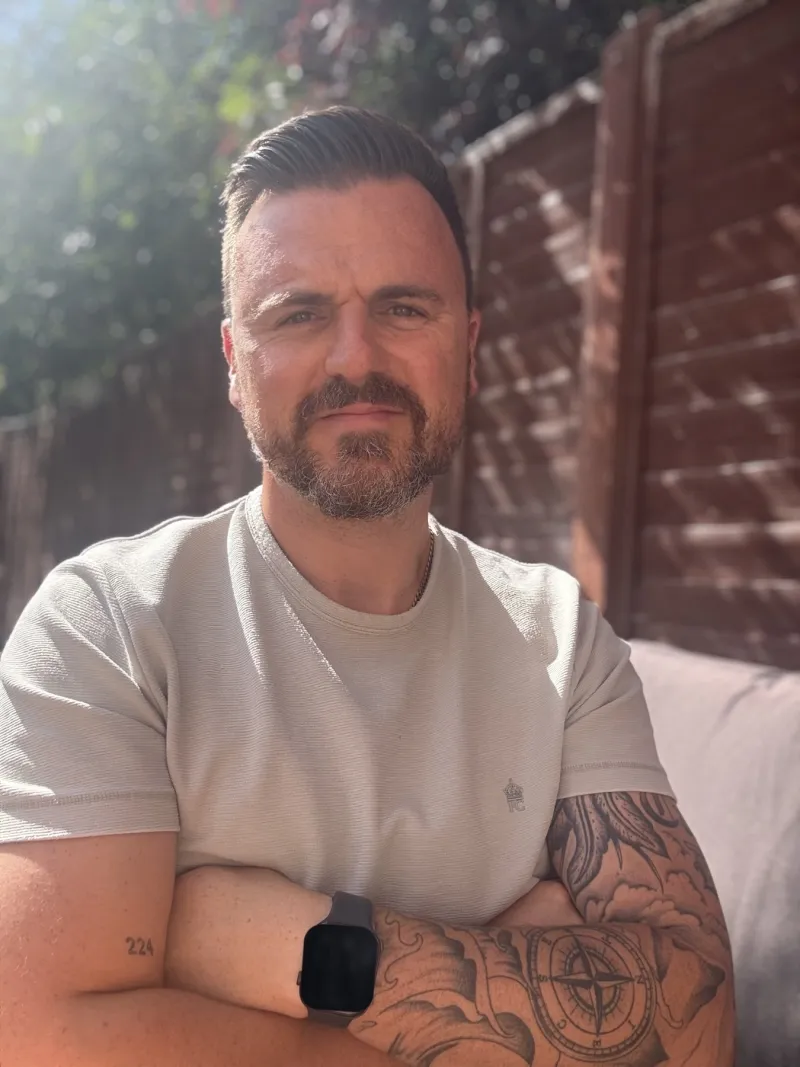
“I follow the work through your business, find what is not working and what it is costing you in time and money, then rebuild it.”
Sam Olliver
Clips from Estate Agency X, The Viking Chats, The 24-Hour Open House, and the launch of The Property Agency Benchmark
Negotiator to regional director, then Olliverr.
- 2002Home Consultant, Fox & SonsSales first, part of Sequence UK.
- LettingsNegotiatorOver a decade as a lettings negotiator.
- ManagementAssistant manager, manager, head of departmentEvery stage on the way up, not parachuted in.
- Michael JonesAssociate DirectorExpansion and more than five acquisitions.
- LomondRegional Property Management Director, South CoastCentralisation of 50-plus staff, integration after the acquisition.
- NowOlliverr.The same work, for owner-led agencies and their suppliers.
Tech where it fits, people where it counts.
What I do
- ✓Follow the work through your business and put a figure on what it costs
- ✓Write the operations guide your team works from
- ✓Set out who does what, and who signs off what
- ✓Join up the systems you already pay for
- ✓Make the repetitive admin run on its own
- ✓Get the business ready to grow, or to sell
What I don’t do
- ×Start with tools before the structure is clear
- ×Automate judgement, legal checks or the client conversation. Those stay with your people
- ×Leave you a report to work out on your own. Every Audit comes with a walkthrough call, and more support depending on what we do next
The work, by theme.
Two centralisations, two restructures, agencies integrated after acquisition.
Automation running 25,000 times a month, around 400 hours back to the team.
Budgets pulled back into line, one year 23 percent ahead.
People developed and progressed, team output up 25 percent.
From a first call to a business that runs.
- A first callThirty minutes on where the time goes and where you want the business to go. Free.
- The Scorecard and the AuditThe free Scorecard names the biggest opportunity. The Operations Audit, from £750, puts a figure on it and ranks the three priority moves.
- The BlueprintThe Growth and Sale-Readiness Blueprint designs the fix: process, structure, and the systems that join it up.
- The buildGuides written, roles set, systems joined and the repetitive admin made to run on its own.
See where the time and money go.
The free Operations Scorecard shows the stage holding your agency back in about four minutes. Or book a call and talk it through.
For businesses turning over £500k to £10m.